
Health Dept Home
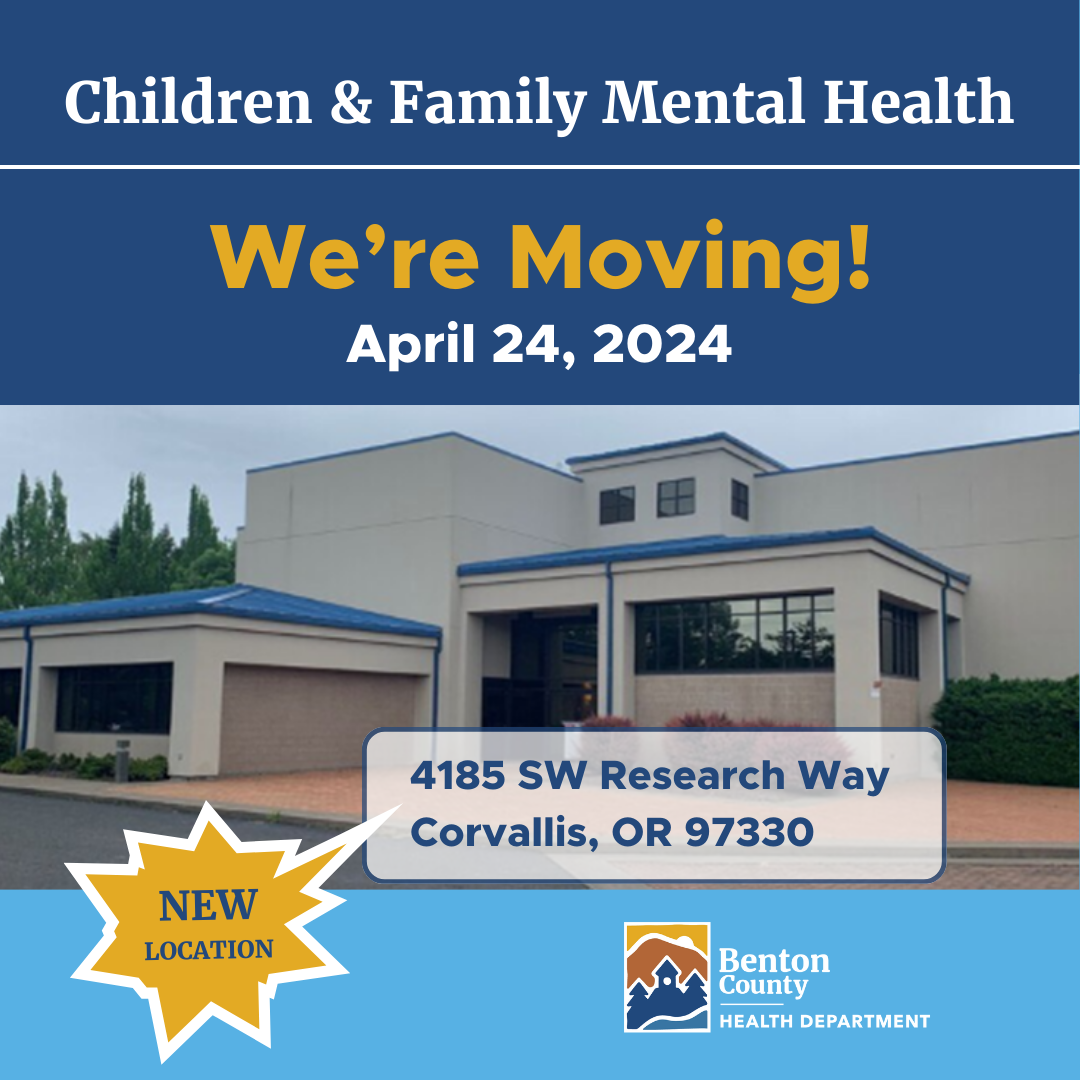
Children & Family Mental Health is Moving!
Services begin at 4185 SW Research Way, Corvallis on April 24, 2024
Benton County Health Department



Mission
We protect and improve the health of underserved individuals and our community.
Vision
Engaged communities and blended services achieving better health.
Values

Innovation
- Monitoring health trends, policy, & evidence based best practices
- Using data & documented best practices as the basis for change at BHS
- Being flexible, responsive and adaptable to emerging trends
- Thinking “outside the box”
- Daring to take risks
- Engaging others in thinking through, modifying, and adapting new ideas

Client-centered
- Client may be individuals, families, groups, or the community as a whole
- Consistently demonstrate excellent customer service
- Begin where the client is and work in partnership with them to assess strengths, supports, and needs and assist them in accessing comprehensive services
- Demonstrate seamless delivery across services
- Clients will value our services
- The community as a client understands and values our work

Improving health
- Focus on vulnerable populations
- Prevention focus
- Impact all aspects of health including physical, mental, social, & environment
- Document improvements through identification & use of key indicators
- High quality services
- Support and promote the health of BHS staff

Multi-disciplinary teams
- Supporting training opportunities
- Encouraging staff to take personal responsibility in maintaining & growing their professional knowledge and experiences
- Valuing and building on staff strengths, experience, and expertise
- Empowering staff to actively contribute
- Fostering cohesion among team members through mutual respect and engagement
- Individuals accepting responsibility for the success of the team
- Staff valuing public service as a profession
- Demonstrating professionalism through communication and appearances (both personal and our work environment)

Partnerships
- A focus on timely, clear, and deliberate communication is required
- Integration of services is the highest level and occurs where appropriate
- Coordination among programs to make services easily accessible to clients is expected
- Cooperation to enhance the effectiveness of teammates is always supported
- Collaboration with internal & external partners to achieve a shared product is the ideal
- Partnerships are trustworthy and mutually beneficial
Diversity
- Developing and nurturing diversity in staff as reflected in several ways including; employing a broad range of health professions & expertise, recruiting & retaining culturally diverse, multi-lingual staff, & staff interactions with clients that are culturally appropriate
- Providing regular training on diversity
- Diversity is reflected in services through outreach to target populations, translated materials, interpreter availability, eliciting client input into the design & delivery of services, and interventions that are tailored to the unique needs of our clients
- Recognizing our responsibility to be strong advocates for our clients, particularly vulnerable populations
- Respect for the clients view of health which may be different than our own

Stewardship
- Being accountable to constituents
- Able to document effectiveness through key indicators and/or implementing strategies based on evidence based research
- Demonstrate efficiency in operations within the bounds of our resources
- Invest financial benefits gained toward the welfare of clients
- Accuracy & integrity of data
- Assure services provided address a documented community need
- Financial stability
Latest News
Read more about what's going on at Benton County Health Department
Upcoming Events
Engage with Benton County Health Department meetings or visit us out in the community